
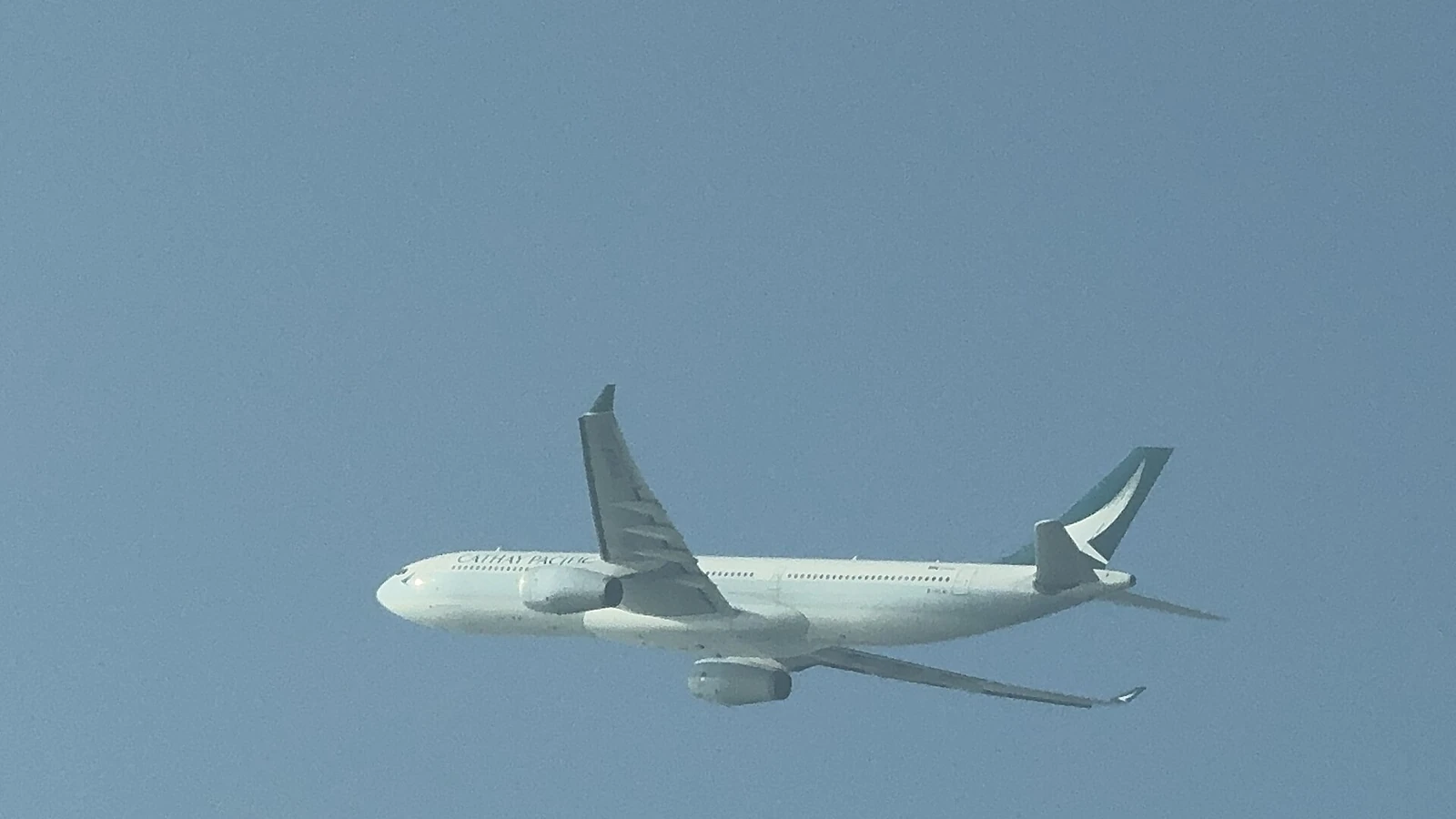
Patong, Karon and Kata sit on the same west-coast public-bus corridor, so this is one of the few Phuket local journeys where the cheaper public option can be genuinely straightforward. The trap is assuming that because the route is direct, the bus is automatically the easier choice.
The decision is really about where you stand at both ends. Phuket Smart Bus currently runs its Airport–Rawai route southbound through Patong, Karon and Kata, and northbound back through Kata, Karon and Patong. That means there is no forced transfer between the three beach areas. But the bus only feels easy when the walk to the stop, the wait and the walk after getting off are all acceptable.
If all three answers are yes, start with the Smart Bus. If one answer is clearly no, open Grab and compare the live door-to-door option instead.
The route itself is simple: Patong → Karon → Kata southbound
Phuket Smart Bus currently publishes Route 1 between Phuket Airport and Rawai. On the southbound run, the sequence includes Patong, Karon, then Kata. Northbound, the order reverses: Kata, Karon, then Patong. For a beach-to-beach hop, that is much cleaner than routing through Phuket Town.
The operator also provides live GPS tracking, which is more useful here than memorising one timetable screenshot. Its timetable page explicitly warns that times are approximate and can vary with traffic. That matters on Phuket's west coast, where a trip that looks short on the map can stretch when traffic builds.
If you are arriving in Patong from the airport rather than making a local beach hop, use the separate Phuket Airport to Patong guide. The airport decision includes minibuses and arrival-specific transfer friction that do not belong in this local comparison.
The Smart Bus wins on simplicity only when the stops fit your day
The operator currently lists several Patong stop areas, including Police Box Bangla, Jungceylon, PEA Patong and Malin Plaza. In Karon, its current destination material identifies Karon Circle and Karon Stadium. For Kata, the operator publishes a Kata Beach Bus Stop.
Those names are more important than the phrase “Patong to Kata”. A hotel may market itself as being in Kata while sitting uphill or far enough from the bus corridor that the final walk becomes the least pleasant part of the journey. The same applies in Karon, which is long enough that the exact hotel entrance changes how convenient public transport feels.
This is why the Kata vs Karon without a scooter decision is worth reading before you book a base. A transport-friendly hotel can save more daily friction than a marginally nicer room in an awkward location.
The 100-baht flat fare changes the logic for short local hops
Phuket Smart Bus currently publishes a 100-baht flat single-ride fare for its Airport–Patong–Rawai route. It accepts contactless Visa, Mastercard and JCB, Thai PromptPay QR and cash, with exact cash appreciated. The same route can therefore be used for a short Patong–Karon or Patong–Kata trip without buying a separate local ticket.
But a flat fare is not automatically a bargain for every short hop. A solo traveler often has a clean reason to take the bus: one seat, no negotiation, no app surge question and no need to hire a whole car. With two or more people, the correct comparison is different. Open the live Grab quote and compare the total car fare with the bus fare for every traveler in your group. Do not assume the bus wins just because it is public transport.
The Smart Bus also sells one-day and multi-day Route 1 passes. A pass can make sense if you deliberately plan several west-coast rides in the same period. It is less compelling if you are taking one beach hop and then returning by car after dinner.
Karon is often the easier bus experiment; Kata needs a more exact pin
Karon's published Smart Bus stop areas at Karon Circle and Karon Stadium give you more than one obvious reference point along a long beach district. That does not make every Karon hotel bus-friendly, but it gives you a clearer chance of matching a beach day to the route.
Kata is more compact in the way many travelers experience it, but hillside roads and the distinction between Kata Yai, Kata Noi and surrounding hotel slopes can make the phrase “Kata” misleading. The Smart Bus operator publishes a Kata Beach stop; it does not mean every Kata-labelled resort is an easy walk from it.
If you are still deciding where to stay, start with where to stay in Phuket, then narrow down with the Kata vs Karon comparison. A no-scooter trip becomes much easier when the accommodation decision and the transport decision are made together.
Switch to Grab in four situations
Rain changes the final 500 metres
A bus stop that feels perfectly manageable at 15:00 can become annoying when the pavement is wet, you are carrying a beach bag and the hotel entrance is uphill. Grab's value is not just the ride; it is removing the exposed walk.
Your return time is deliberately vague
If the plan is “stay for sunset, eat, maybe have one drink, then decide,” the bus forces the evening to retain a transport deadline. Grab lets you leave when the evening is finished.
You have luggage rather than a day bag
Changing Phuket bases is different from visiting another beach. A rolling suitcase, wet weather and an awkward hotel entrance are good reasons to pay for a direct pin.
Your group fills the car
Public transport is priced per traveler. An app car is priced as one ride according to the live quote and vehicle type. For a pair or small group, compare the whole-trip total rather than one person's fare.
Grab currently lists Phuket among its Thai service areas. Its transport page lets you set exact pickup and drop-off pins and shows the ride price before booking, excluding any stated tolls or surcharges. That makes it a particularly useful fallback when the bus is technically possible but your exact hotel geography is poor.
A mixed strategy is often better than committing to one mode all day
You do not need a Phuket transport identity. There is no prize for being “the bus person” or “the Grab person”.
A sensible day can look like this: leave Patong after breakfast, check the live Smart Bus tracker, ride south to Karon or Kata, spend the day at the beach, then use Grab after dinner if the return timing becomes uncertain. The opposite also works: take Grab outward when you need to make a lunch booking or meet someone at a specific time, then use the bus back during daylight when you can wait without pressure.
This mixed approach is especially useful on a short Phuket stay because it keeps the low-friction public ride when it genuinely fits, while buying precision only when precision has value.
If Phuket is one stop in a larger Thailand trip, the same principle applies to airport choices. The Krabi or Phuket Airport guide is about choosing the gateway that removes the worst transfer rather than simply chasing a flight fare.
For a solo woman, the waiting environment matters more than the transport label
During the day, a tracked public bus on a known route can be more relaxing than repeatedly arranging private rides. The Smart Bus live map lets you see where vehicles are rather than standing roadside far earlier than necessary.
At night, the calculation can flip. If the stop is away from your restaurant, the pavement is dark or uneven, rain is building, or you would be waiting alone with a phone in your hand for an uncertain period, an exact Grab pickup can be the lower-friction choice. Grab also publishes ride-sharing and emergency safety features in the app.
The practical rule is not “public transport is unsafe” or “Grab is always safer”. It is to choose the option that reduces unnecessary waiting, exposed walking and confusion at the time you are actually travelling.
Do not walk Patong to Karon just because the map makes it look close
Phuket Province's destination information describes the road to Patong as curved and steep, and notes the road connection via Karon. These beach districts are close enough to combine in one day but not close enough to treat the inter-beach road as a casual promenade.
For most travelers, walking should be used within Patong, Karon or Kata, not as the transport plan between them. Heat, roadside exposure, hills and rain make the saving hard to justify.
A scooter can remove waiting, but it creates a completely different decision involving licensing, riding experience, road conditions and insurance. It is not the fallback I would recommend simply because someone dislikes waiting for a bus.
Choose by the shape of the trip
| Trip shape | Start with | Why |
|---|---|---|
| Solo, daytime, central Patong → central Karon | Smart Bus | Direct corridor, known stop areas and no need to pay for an entire car. |
| Solo, daytime, central Patong → Kata Beach | Smart Bus if the Kata stop fits | Good use of the direct route when the final walk is simple. |
| Two friends going to a hillside Kata resort | Compare Grab | The exact drop-off may remove the hardest part of the journey. |
| Beach day with an open-ended dinner return | Bus out, Grab back | You keep the easy daylight public ride without letting the last bus shape dinner. |
| Moving hotels with suitcases | Grab | Door-to-door matters more when this is a relocation rather than a day trip. |
| Heavy rain or poor roadside walking conditions | Grab | The value is the sheltered, exact pickup and drop-off. |
Use the live tools, not an old screenshot
Phuket Smart Bus has changed and expanded its public information over time. For the day you travel, check the operator's current timetable and live GPS map rather than relying on a timetable image saved months earlier. The official timetable currently warns that traffic can move times away from the schedule.
Phuket Smart Bus
Check Route 1 direction, current timetable, payment rules and live vehicle location.
Open the official live tracker →Grab Thailand
Use a live pickup and destination pin when you need door-to-door timing instead of a roadside stop.
Open current Grab transport information →The short answer
Take the Smart Bus from Patong to Karon or Kata when the route fits both ends of your day. It is direct, the operator now provides live GPS tracking, and one solo traveler with a simple stop-to-door walk does not need to overcomplicate the journey.
Take Grab when the real problem is precision. Rain, luggage, a hillside hotel, a late or flexible return, or a group sharing one car can all make an exact pickup more useful than waiting for the cheaper public option.
For the rest of your planning, use the Phuket destination hub, the Thailand transport hub, or the stay guides. If your next move is a ferry rather than another beach, the Rassada Pier connection guide separates that very different timing problem.
Sources checked
Operational details checked 9 August 2026 against Phuket Smart Bus timetable, official payment information, live GPS tracking, the operator's current Patong, Karon and Kata destination pages, Airports of Thailand's Smart Bus listing, Grab Thailand transport information, and Phuket Provincial Government beach/road information. Recheck live transport details on your travel day.
Editorial standards: Editorial Policy · Affiliate Disclosure